
General Gardening Tips
Tips on transplanting Starting Vegetables from Seed, Transplanting and Hardening Off Seedlings
Starting vegetables from seeds is a rewarding and thrifty alternative to purchasing bedding plants in the spring.
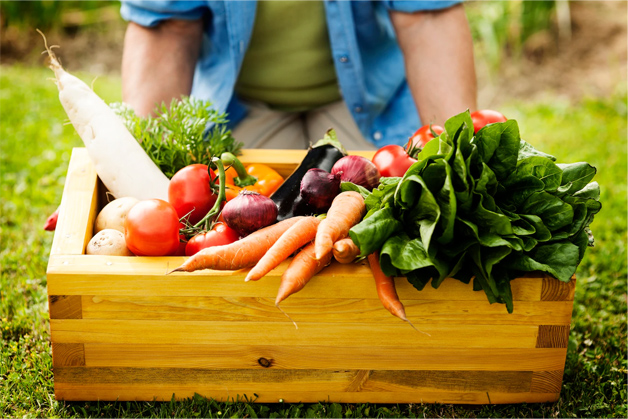
It gives the gardener control over crop time as well as a greater selection of varieties (including many heirlooms and organic seeds) Also, beginning with fresh clean trays and mix gives a better chance of avoiding bringing in pests like gnats and mites. Success with indoor seed starting begins with a suitable light source. It can be as simple as a good South facing window with the addition of supplement lights, light the newly popular T5 full-spectrum fluorescents (available quite reasonably at your local gardening supply shop). If you have a greenhouse, seedlings may be started early with the addition of heat mats to save costs in energy, during the cool early weeks of spring. You will learn to keep a watchful eye on temperatures, moisture and nutrient needs, and in the process enjoy the satisfaction of seeing healthy happy seedlings thrive from the seed to harvest - knowing that the nurturing you give is returned by nutritious and delicious food for you and yours.
Step 1
Begin by acquiring seed flats or trays. These may be purchased with or without inserts (inserts make transplanting easier, are reusable and come in a variety of sizes) If your growing space is on the chilly side, clear domes are a good idea. Heat mats are also available in a variety of sizes, depending on how many trays you would like to do at a time. Some seeds like tomatoes, peppers and basil need warmth (they like it around 80F) to begin with. Others, such as onions, leeks, broccoli and kales prefer it cooler. Fill the trays (with inserts if you choose to use them) with a starting mix. Many are available in either organic or non-organic. Coco Coir is an excellent choice, as it has high water holding capacities and also is difficult to over water. Pat the starter mixes down lightly, leaving about 1/2 inch from the top.
Step 2
Sow the seeds approximately 1/2 inch apart. If the seeds are planted too closely the seedlings will be difficult to separate during transplanting time. Label your seeds. A ‘rule of thumb’ is to cover the seeds lightly, twice the thickness of the seed itself. Example- squash will require about a 1/4 inch of mix, being large seeds, and tomatoes require a very light but thorough covering. Some seeds, as per direction, require no cover at all.
Step 3
In a watering can filled with clean tepid water, mix Innovating Plant Products Ultimate B+, Black Storm and Sea Storm, according to manufactures directions. Try to have a good quality rose for your watering can for even gentle watering. Now you are ready to water in your seeds. Thoroughly water until the whole mix has been wetted, but also allow the runoff to drain away. Do not leave your trays sitting in water, as this would cause a lot of problems. A good habit to get into is not to over water, or under water any plants. I like to call it the 50% rule…your plants, at any stage, should be watered when they are 50% of their wet weight. (This allows the roots to get lots of oxygen, and to remain very healthy.) Keep a watchful eye on temperature, and humidity. If the seeds are under domes, the domes should not be ‘sweating’ too much - if so, vent them or slightly lift them. When the seedlings begin to emerge, slowly begin to remove the cover.
Step 4
When the second set of leaves have emerged on the seedlings, they are ready to be transplanted. Carefully scoop (you can use a butter knife or a spoon) the plants, with as many roots as possible intact. Gently tug them apart to separate them when necessary, and transplant them into individual containers. Tip: With tomatoes, transplant ‘deep’…hold the tip of the plant just above the surface of the pot, and gently fill in the mix around the plant, leaves and all. This gives a good deep root system. You can do this every time you transplant your tomatoes until they are in their final container. Most other vegetables are transplanted to the original base of their stalk, though. Continue to water in the Ultimate B+, Black Storm and Sea Storm As per manufacturers Directions - every second watering should be with the nutrients, as long as you are using the 50% rule.
Hardening Off
Starting about 2 weeks before you plan to transplant your seedlings into the garden, move them to a sheltered spot in the garden. Please keep them out of direct sunlight and wind. If it gets too cold or windy, move them in again for the time being. This process allows the seedling to gradually adjust to outdoor conditions. This is especially a time not to overwater, as we want the roots to strengthen as well as the foliage. Cloudy days are ideal for hardening off. Once the plants are hardy and happy outdoors, carefully plant them into the garden, being careful to give them plenty of room to grow, as well as using as much valuable planting space as possible. Enjoy!
Comments
Subscribe to our newsletter!
Get the latest product news, gardening tips and more when you signup.